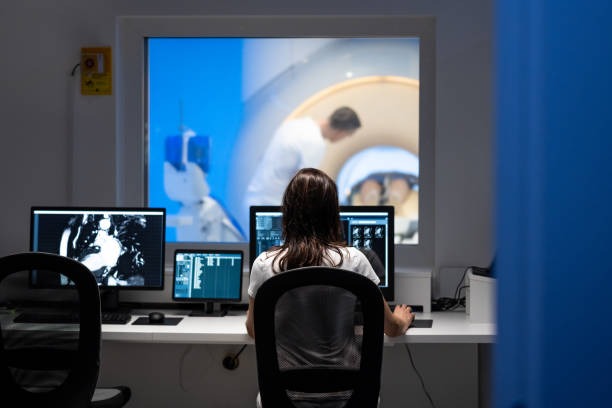
Everyday aches and pains can often be brushed off as minor inconveniences. However, when persistent back pain or neck discomfort becomes a part of daily life, it may be time to consider more advanced diagnostic options like an MRI. This non-invasive imaging technique offers a detailed look inside the body, providing valuable insights into potential issues affecting the spine and surrounding structures.
Understanding MRI for Back Pain
Magnetic Resonance Imaging (MRI) is frequently recommended for patients experiencing chronic back pain. This advanced imaging technique can help identify the root cause of discomfort by providing detailed images of the spine, discs, and surrounding tissues. Unlike X-rays, which focus primarily on bones, MRIs can reveal abnormalities in soft tissues, including muscles and ligaments, that might be contributing to back pain.
Cost Considerations: MRI for the Shoulder
While MRI is a powerful diagnostic tool, it’s essential to consider the financial implications. For example, the cost of a shoulder MRI can vary significantly depending on factors like location, insurance coverage, and the specific facility performing the scan. Patients are encouraged to explore different options and seek out facilities that offer transparent pricing to avoid unexpected expenses.
Decoding Abnormal Cervical Spine MRI Results
Receiving abnormal cervical spine MRI results can be daunting. However, understanding these results is crucial for effective treatment planning. Abnormal findings might include herniated discs, spinal stenosis, or other issues affecting the cervical spine’s normal function. Consulting with a healthcare professional is vital to interpret these results accurately and develop an appropriate treatment strategy.
Interpreting Cervical Spine MRI Results
Interpreting cervical spine MRI results requires a careful analysis by a trained radiologist or physician. These experts can identify specific issues and their potential impact on nerve function and overall spinal health. A detailed interpretation is essential for crafting a tailored treatment plan that addresses the patient’s unique needs and promotes optimal recovery.
The Role of MRI in Managing Back Pain
For those struggling with back pain, an MRI can be a game-changer in terms of diagnosis and treatment. By pinpointing the exact cause of pain, healthcare providers can recommend targeted therapies and interventions. Whether it’s physical therapy, medication, or, in some cases, surgery, having a clear understanding of the underlying issue can significantly enhance treatment outcomes and improve quality of life.
In conclusion, MRI scans are invaluable tools in diagnosing and managing back and cervical spine issues. They offer detailed insights that go beyond what traditional imaging methods can provide, allowing for more precise treatment planning. As with any medical decision, it’s crucial to weigh the benefits and costs, consult with professionals, and make informed choices that align with one’s health needs and financial situation.
Reference: https://vippspharmacies.net