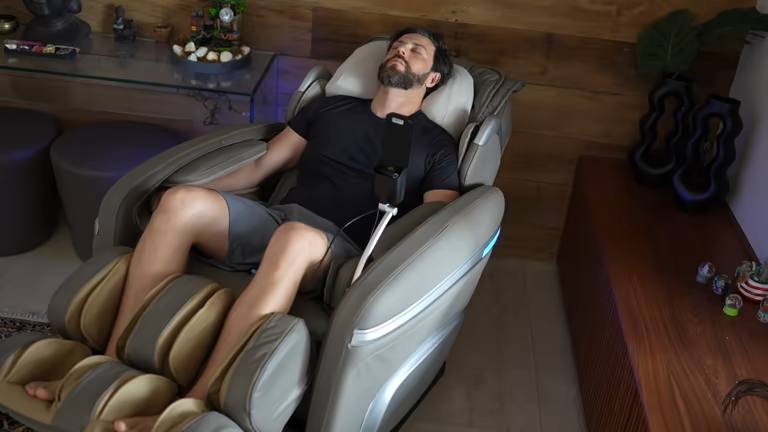
After an intense sports practice, athletes often seek effective methods to enhance recovery and reduce muscle soreness. One popular option that has gained attention is the use of massage chairs. These devices promise relaxation and therapeutic benefits similar to those provided by professional massages. But do massage chairs truly help with recovery after sports practice? Understanding their effects requires examining how they work and their impact on the body.
Massage chairs are designed to simulate various massage techniques such as kneading, tapping, rolling, and shiatsu. By targeting muscles through mechanical movements, these chairs aim to improve blood circulation, relieve muscle tension, and promote relaxation. Improved circulation is crucial for recovery because it facilitates the delivery of oxygen and nutrients to damaged tissues while helping remove metabolic waste products like lactic acid that accumulate during exercise.
Several studies suggest that massage therapy can reduce delayed onset muscle soreness (DOMS) and accelerate recovery by decreasing inflammation markers in muscles. While traditional hands-on massages have been extensively researched, fewer studies focus specifically on massage chairs. However, preliminary evidence indicates that consistent use of a well-designed massage chair reviews may offer similar benefits by stimulating soft tissue without requiring a therapist’s presence.
In addition to physical advantages, using a massage chair post-exercise can positively impact mental well-being by reducing stress levels and promoting relaxation through the release of endorphins-natural painkillers produced by the body. Mental relaxation plays an essential role in overall recovery since psychological stress can hinder physical healing processes.
Despite these potential benefits, it is important to recognize limitations associated with massage chairs. Unlike human therapists who adapt pressure and technique based on real-time feedback from clients’ bodies, most machines operate with preset programs lacking personalized adjustments tailored for specific injuries or areas needing extra attention. Therefore, while they serve as convenient tools for general muscle relief after workouts or practices, they should not replace professional medical advice or treatment when dealing with serious injuries.
Moreover, overreliance on any single recovery method might overlook other critical aspects such as proper nutrition hydration sleep quality active rest periods stretching routines-all vital components contributing collectively toward optimal athletic performance and injury prevention.